Contact
- Address:Yalikavak • Kilyos • Arnavutkoy
- Telefon:0538 076 11 91
- Hours:Every day 11:00 / 12:00 - 02:00
- Kitchen:Fresh fish and classic mezes
- View:Aegean, Black Sea and Bosphorus coasts
A Guide to Arnavutköy's Fish Restaurants and Fishermen
Arnavutköy is one of those Bosphorus neighbourhoods where the sea is not simply a view. It sets the rhythm of the street: the way the light moves across the water in the late afternoon, the small boats tied along the shore, the smell of charcoal drifting from kitchen doors after sunset. For anyone trying to understand how Istanbul eats fish, this stretch of the Beşiktaş coastline is a good place to start — and a short guide to Arnavutköy's fish restaurants and fishing culture makes the experience far more rewarding than simply choosing the busiest door on the street.
The word balıkçı carries two meanings in Turkish. It describes the people who fish, and it describes the places that cook what they bring in. In Arnavutköy the two are still connected closely enough that a meal here feels tied to the water rather than to a supply chain.
Why Arnavutköy Still Feels Like a Fishing Village
Walk inland from the waterfront and you find narrow streets, wooden houses and a settled, residential calm. Walk back toward the water and the neighbourhood changes character again: tables set out facing the strait, waiters carrying trays between parked cars, the low hum of conversation that starts early and continues late.
What the Bosphorus current gives the neighbourhood
The Bosphorus is a moving body of water, and that movement matters for what ends up on a plate. Currents carry nutrients, bait fish follow them, and the larger fish follow the bait. This is why the strait produces a wide range of species across the year rather than one monotonous list. A restaurant that works with the local catch has to change its menu constantly — which is exactly what makes eating here interesting.
What "balıkçı" means in a city of fourteen million
Istanbul has no shortage of seafood restaurants, but the ones that feel genuinely connected to fishing culture tend to share certain habits: a short list of what is actually available that day, a willingness to tell you honestly what is good and what is not, and a kitchen that does not need to disguise the fish. That is the standard worth looking for, whether you are in Arnavutköy, elsewhere in Beşiktaş or along the Marmara shore.
How to Read a Fish Restaurant Before You Sit Down
Most disappointing seafood meals in Istanbul could have been avoided in the first two minutes. These are the signals worth checking:
- Is there a display or a spoken list of the day's fish? A restaurant working with fresh stock usually wants to show it.
- Are the fish whole and clear-eyed, with firm flesh and red gills? Dull eyes and soft pressure marks suggest age.
- Does the price list exist and is it visible? Fish is sold by weight in many places; clarity at the start prevents awkwardness at the end.
- Does the menu look seasonal or fixed? A list identical in January and July usually means frozen supply.
- Is the meze selection proportionate? A modest, well-made spread is a better sign than forty bowls of the same thing.
- How does the room feel at 7pm? An empty room at peak hour is information; so is a room full of local families on a Tuesday.
None of this guarantees a good meal, but together these checks remove most of the guesswork.
The Seasonal Calendar That Shapes the Menu
Turkish seafood cooking is built around migration. Fish move through the strait in patterns that repeat closely enough each year to plan around, and this is why a fish restaurant's menu in Arnavutköy looks noticeably different in October and in May.
Autumn and early winter
This is the season most Istanbul diners wait for. Palamut (bonito) arrives first, followed by lüfer (bluefish) as the water cools. Hamsi from the Black Sea becomes abundant toward the end of the year, and torik, the larger relative of lüfer, appears for grilling in thick cutlets. Kalkan (turbot) is a winter fish, usually cooked in the pan or on the grill, and it is priced accordingly.
Spring and summer
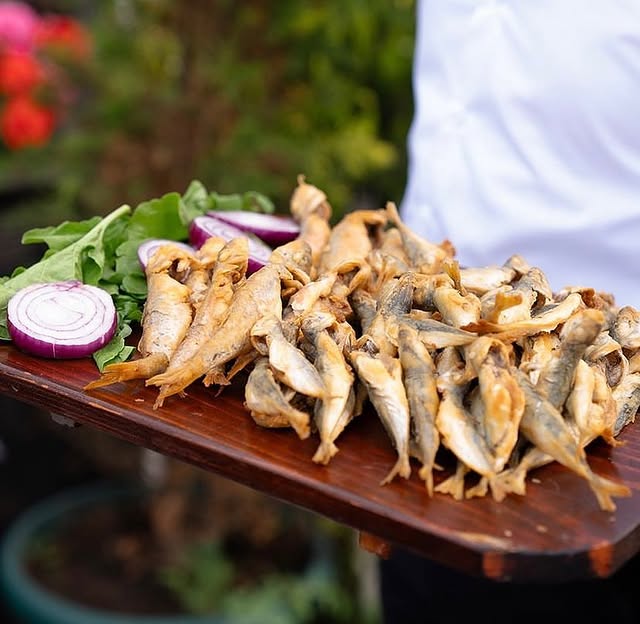
As the water warms, the emphasis shifts. Levrek (sea bass) and çipura (sea bream) become the reliable choices, often farmed but still well suited to grilling. Sardalya, tekir (red mullet) and barbunya appear more often, and lighter mezes make more sense than heavy oil-based ones. Mezgit (whiting) is a year-round option and a good test of a kitchen, since it rewards careful frying.
| Season | Fish to look for | Style that suits it |
|---|---|---|
| Late autumn | Palamut, lüfer | Grilled, or palamut in the oven |
| Winter | Hamsi, kalkan, torik | Fried hamsi, pan-cooked kalkan |
| Spring | Tekir, barbunya, mezgit | Grilled or lightly fried |
| Summer | Levrek, çipura, sardalya | Charcoal grilled, served simply |
Ask what came in that morning. A good answer is specific; a vague answer tells you something too.
Meze, Rakı and the Order of a Meal
The Turkish seafood table has a logic to it, and following that logic makes the meal better rather than merely more traditional.
Building the table
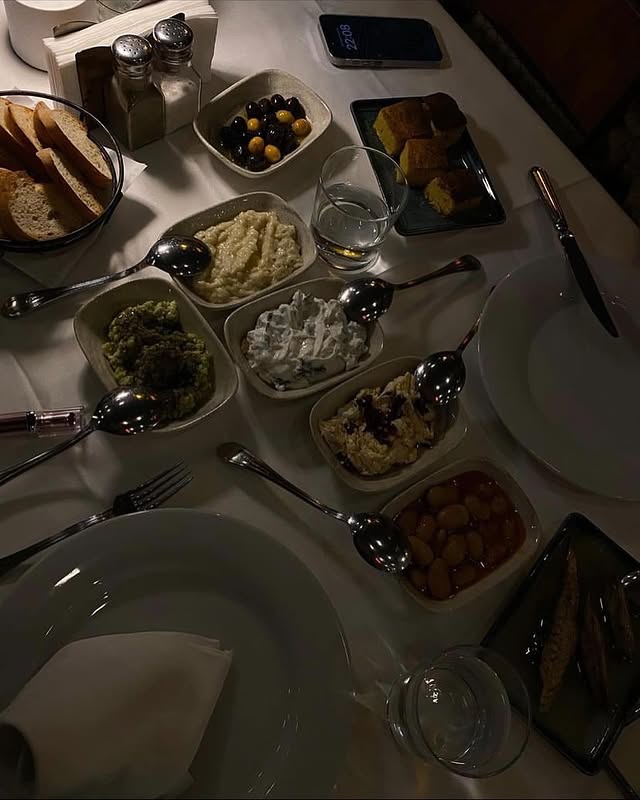
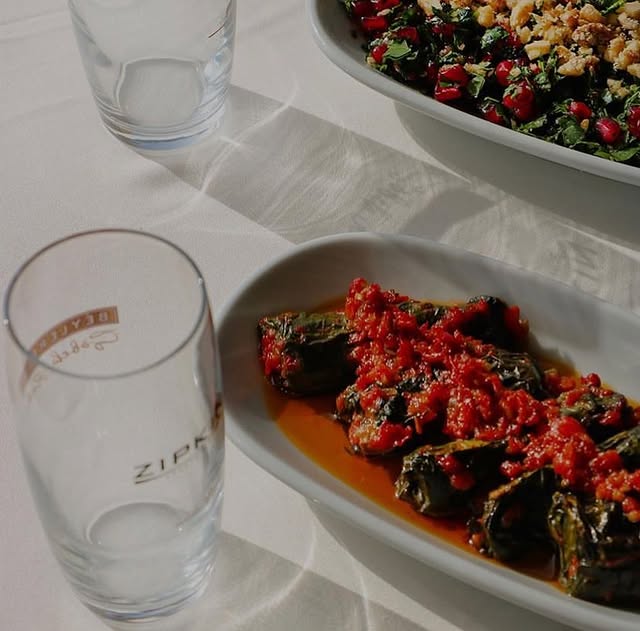
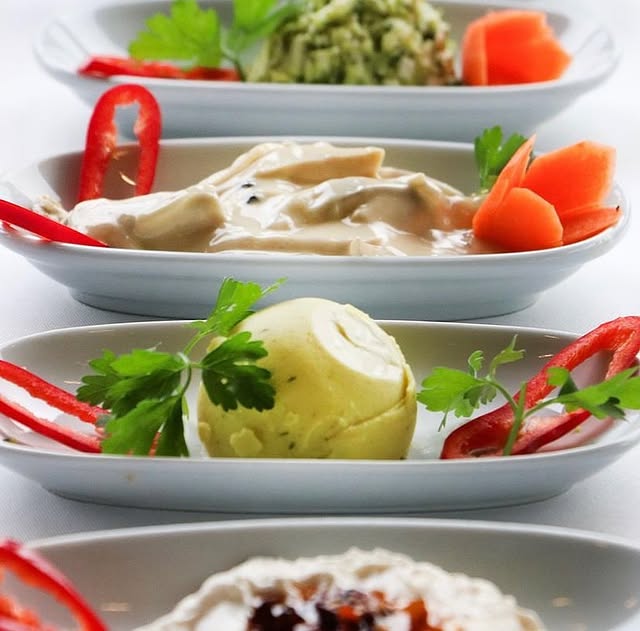
Start with two or three cold mezes rather than ten — haydari, deniz börülcesi, a lakerda if it is available, perhaps ahtapot salatası. Add one hot starter, such as kalamar tava or fried hamsi when in season. Order the fish by weight, ask how it will be cooked, and let the main course arrive when it is ready rather than rushing it.
Small decisions that improve the evening
- Order the fish first and the mezes around it; the kitchen can then pace the table.
- Choose one or two cooking methods rather than five — grilled, fried, or in the oven.
- Keep the salad simple; a heavy dressing flattens the taste of the fish.
- Drink rakı slowly and with water, or choose a crisp white if you prefer.
- Finish with fruit or a small dessert instead of a large one.
Zıpkın Arnavutköy Balık Restoranı in Context
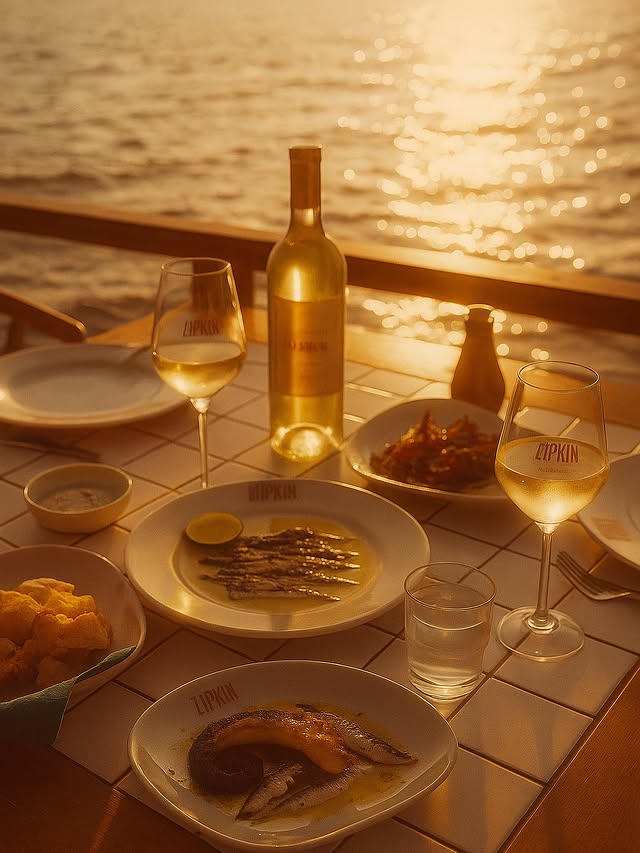
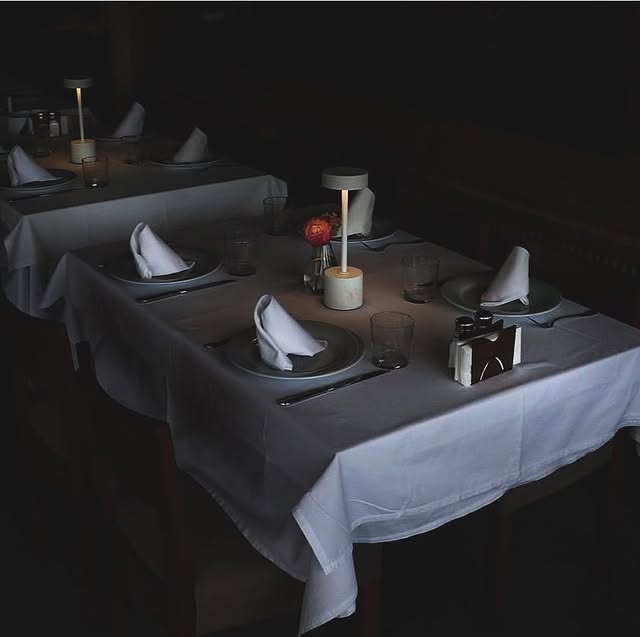
If the criteria above are what you are looking for — a Bosphorus setting, a menu that follows the season, and a table where the fish is treated with restraint — Zıpkın Arnavutköy Balık Restoranı is a relevant option to consider in Arnavutköy, Beşiktaş. It sits within the neighbourhood's seafood culture rather than apart from it, and the appeal is straightforward: fresh seafood, warm service and the strait in front of you. That combination is what most people are actually searching for when they look for a fish restaurant in Istanbul, and it is best judged in person rather than through a ranking.
Getting There and Choosing Your Moment
Arnavutköy sits on the European shore of the Bosphorus within Beşiktaş, reachable by bus or taxi along the coastal road and pleasant on foot from the neighbouring waterfront areas. The neighbourhood is compact, so a taxi can drop you close to the water and you can walk the rest.
Weekday evenings are quieter and better suited to a long table. Weekends fill earlier and later; if you want a specific table, particularly one facing the water, it is worth arranging in advance. Summer evenings are bright and busy, while winter has its own appeal — a warm room, a plate of hamsi, and the strait in the dark outside.
Practical Notes for First-Time Visitors
- Reserve ahead, especially for weekend evenings and larger groups.
- Ask about weight and price before the fish goes on the grill.
- Arrive hungry but not starving — the meze stage is part of the meal, not a delay.
- Dress for the season; waterfront tables can be breezy even in summer.
- Allow two hours for a proper dinner rather than planning a tight next stop.
In Arnavutkoy, it carries Istanbul's coastal spirit with fresh seafood and warm service against the Bosphorus view.
---
🐟 Zıpkın Arnavutköy Fish Restaurant | 📍 Arnavutköy, Beşiktaş, Istanbul | 🌐 zipkinbaliklokantasi.com | 📞 Reserve via WhatsApp
FAQ
Where can I eat fish in Arnavutköy, Beşiktaş?
Arnavutköy's waterfront has a cluster of seafood restaurants within easy walking distance of one another. Zıpkın Arnavutköy Balık Restoranı is one option in the neighbourhood, serving fresh seafood with a Bosphorus view.
When is the best time of year for fish in Istanbul?
Late autumn and winter are the strongest months for many local favourites, with palamut, lüfer, hamsi and kalkan appearing on menus. Spring and summer shift toward levrek, çipura, sardalya and lighter mezes.
What should I order at a Bosphorus fish restaurant?
Start with two or three cold mezes and one hot starter, then choose a whole fish cooked simply — grilled or fried. Ask which fish came in that day and let the answer guide you.
Do I need a reservation?
For weekend evenings and water-facing tables, yes. Weekday dinners are usually easier, but calling or messaging ahead is always the safer choice.
Is fish sold by weight in Istanbul restaurants?
Often, yes. Ask for the price per kilogram and the approximate weight of your fish before it is cooked so there are no surprises at the end of the meal.
Can I visit Arnavutköy without staying in the area?
Easily. The neighbourhood is part of Beşiktaş and connected by the coastal road, so it works well as a dinner stop combined with an evening elsewhere in the city.
19.10.2026
Zıpkın Arnavutköy Blog
In Arnavutkoy, it carries Istanbul's coastal spirit with fresh seafood and warm service against the Bosphorus view.