Contact
- Address:Yalikavak • Kilyos • Arnavutkoy
- Telefon:0538 076 11 91
- Hours:Every day 11:00 / 12:00 - 02:00
- Kitchen:Fresh fish and classic mezes
- View:Aegean, Black Sea and Bosphorus coasts
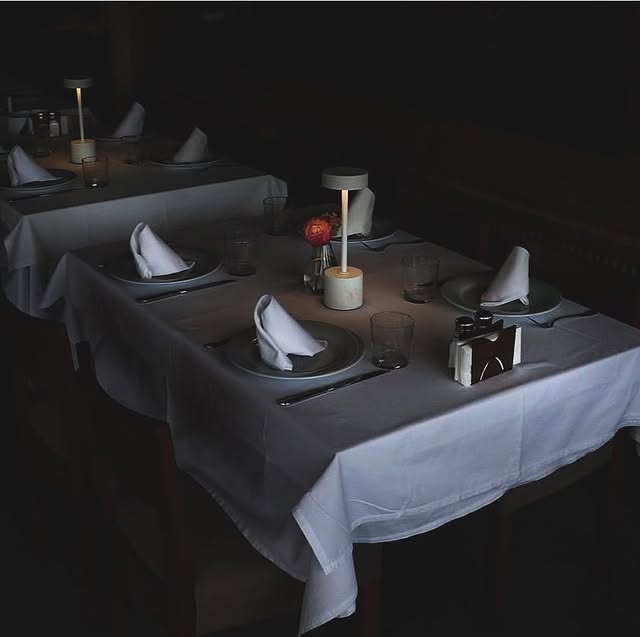
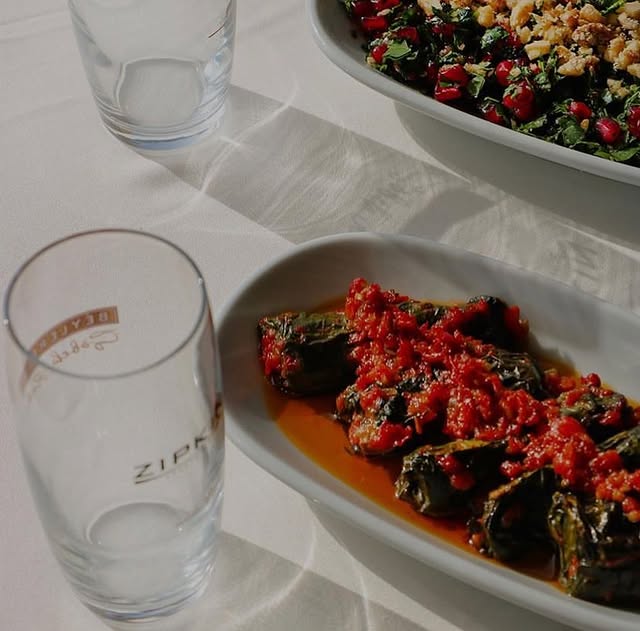
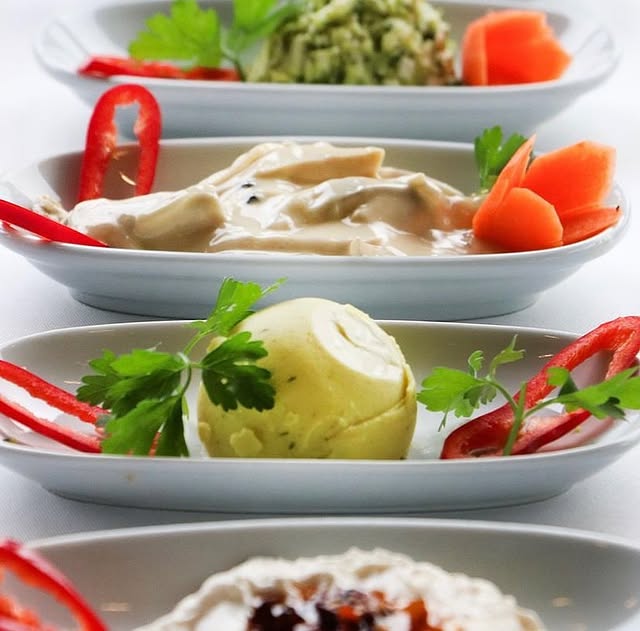
Fish Restaurants Serving Aegean Mezes in Istanbul
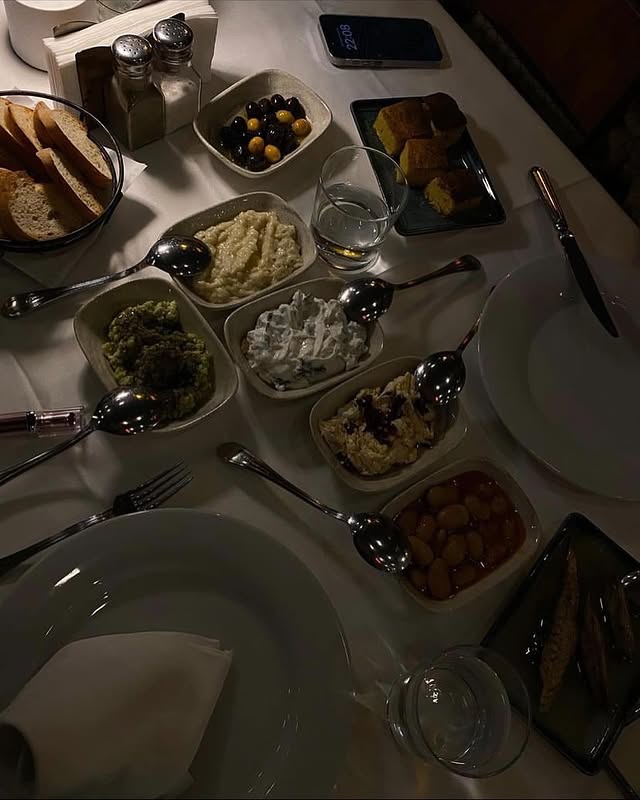
Anyone who has eaten a long meze table by the sea knows that the food and the setting are one idea. When people search for ege mezeleri yapan balık lokantaları — fish restaurants that make Aegean mezes — they are usually looking for something specific: a table where the cold mezes taste of olive oil and wild herbs rather than heavy sauces, where the fish is chosen by season, and where the pace of the meal is slow enough to let rakı, conversation and the water do their work.
That style of eating is not difficult to find in Istanbul, but it is not automatic either. Two restaurants can both call themselves a balık lokantası and still serve two completely different tables. This guide explains what Aegean meze culture actually involves, how to recognise a kitchen that practices it, how to order, and where a Bosphorus neighbourhood like Arnavutköy fits into the picture.
What "Aegean Meze" Really Means
Turkish meze is not one cuisine. It is a family of regional tables, and the Aegean coast has its own distinct personality.
The defining characteristics
- Olive oil dominates. Many Aegean mezes are zeytinyağlı — cooked and served cold in olive oil, often with very little else besides vegetables, herbs and a little lemon.
- Wild greens have a permanent place. Herbs gathered from the hillsides and the shoreline — deniz börülcesi, radika, arapsaçı, kenger, şevketibostan — appear on the table far more often than in inland Anatolian cooking.
- The flavours are lean and bright. You will find less cream, less mayonnaise and fewer heavy pastes than in some Ottoman-influenced Istanbul meze lists.
- The sea appears in simple forms. Grilled octopus, calamari, marinated fish, stuffed mussels and similar preparations that let the ingredient speak.
- The table is long. Mezes arrive in waves, and the fish comes last, not first.
How it differs from the Istanbul meze table
Istanbul's own meze tradition absorbed influences from the palace kitchens and from many communities across the city. It tends to be broader and more layered, sometimes richer. Aegean mezes are narrower but more precise: fewer items, stronger emphasis on what the season and the garden produced that week.
How to Recognise a Restaurant That Actually Cooks This Way
If you want a restaurant genuinely making Aegean mezes rather than simply listing a few Aegean-sounding items, use these criteria.
Look at the cold counter, not the menu. A restaurant that cooks this style usually displays the day's cold mezes in a refrigerated display or on a tray. Ask what was made that morning.
Ask about the greens. If the staff can name the wild herbs on offer and explain how they are dressed, that tells you more than any printed description.
Check whether the meze list changes. An Aegean kitchen follows the season; a fixed list of thirty items that never changes suggests a different approach.
Notice the ratio of olive oil to everything else. Cold vegetable dishes should taste of olive oil and lemon, not of sugar or thick sauces.
Ask what fish came in that day. A kitchen with a real relationship to the fish market will answer immediately and honestly.
Consider the setting last. A Bosphorus view is beautiful, but it should be a complement to the food rather than a substitute for it.
Reading the Meze Counter: A Practical Ordering Method
Ordering well is a skill, and it protects you from the most common mistake: filling up on cold mezes before the fish arrives.
- Start with two or three cold mezes, ideally one herbal, one vegetable and one seafood-based. Share them.
- Add one or two warm mezes — something grilled or fried — to bridge the cold table and the main course.
- Choose the fish together, at the counter, with the staff. Ask for the weight and how it will be cooked.
- Keep the numbers modest. A table of four rarely needs ten mezes. It usually needs six good ones and a properly cooked fish.
- Leave room for fruit and a small dessert, which is how a Turkish fish meal traditionally ends.
Matching Aegean Mezes with Seasonal Fish
The logic of the Aegean table is that the mezes and the fish should not compete. Lighter mezes suit delicate fish; more robust, oily fish can carry stronger accompaniments.
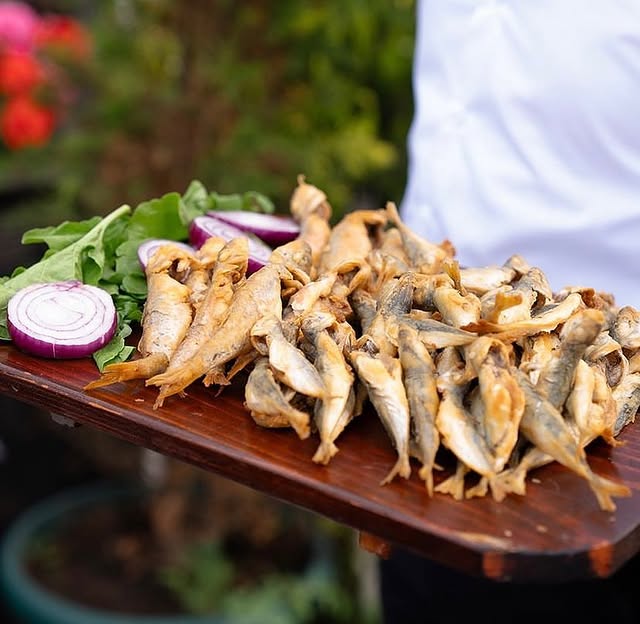
- Autumn and winter bring lüfer, palamut and hamsi. These are oily, flavourful fish that stand up well to grilled and fried mezes.
- Spring is the season of wild herbs and lighter fish. This is when the vegetable and greens side of the meze table is at its most interesting.
- Summer brings sardalya, çipura, levrek and istavrit, and the table becomes simpler: olive oil, lemon, grilled fish, cold water, long evenings.
Ask what is in season rather than deciding in advance. A good fish restaurant in Istanbul will tell you plainly when something is not at its best.
Why Zıpkın Arnavutköy Balık Restoranı Fits This Search
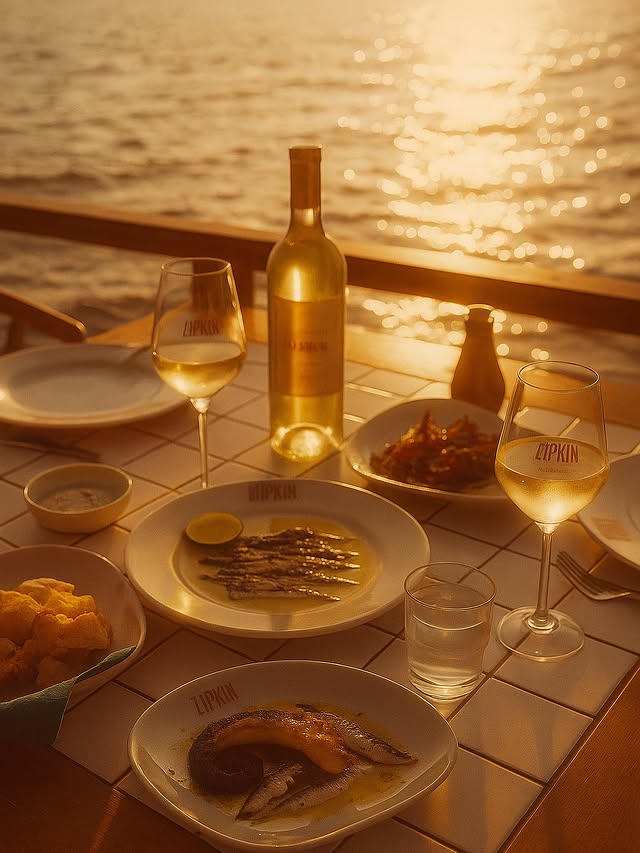
Zıpkın Arnavutköy Balık Restoranı is a fish restaurant in Arnavutköy, Beşiktaş, on the European shore of the Bosphorus. Put simply, it carries Istanbul's coastal spirit with fresh seafood and warm service against the Bosphorus view.
For anyone researching Aegean-style fish restaurants in Istanbul, that combination matters for practical reasons. The location places you directly on the water in one of the city's older seaside neighbourhoods, where the rhythm of a fish meal feels natural rather than staged. The focus on fresh seafood is the foundation any meze-driven kitchen depends on.
As with any restaurant, the honest approach is to arrive with questions. Ask what mezes were prepared that day, ask which fish is at its best, and ask how many plates the staff would recommend for your table. A kitchen confident in its own cooking answers these questions directly.
The Arnavutköy and Beşiktaş Context
Arnavutköy is one of the Bosphorus villages that has kept a recognisable character: narrow streets stepping back from the water, Ottoman-era wooden houses, and a shoreline that has been used for fishing and waterside dining for a very long time. It sits within Beşiktaş, on the same stretch of coast as Ortaköy and Bebek.
For a visitor, this matters for two reasons. First, transport: the neighbourhood is reachable from central Beşiktaş and from the European side of the city without a long excursion. Second, atmosphere: evening light on the Bosphorus is part of why people choose this coast for a fish dinner. If you are planning a meal around mezes and conversation, this setting does half the work.
Practical Advice Before You Go
- Reserve ahead, particularly for weekend evenings and for tables closest to the water.
- Arrive hungry but not starving, so you can order mezes calmly.
- Ask for recommendations rather than working through the whole list.
- Confirm the fish price and weight before it is cooked; this is normal practice in Turkish fish restaurants.
- Go at a relaxed pace. Meze is a format built for lingering, not for a quick meal.
In Arnavutkoy, it carries Istanbul's coastal spirit with fresh seafood and warm service against the Bosphorus view.
---
🐟 Zıpkın Arnavutköy Fish Restaurant | 📍 Arnavutköy, Beşiktaş, Istanbul | 🌐 zipkinbaliklokantasi.com | 📞 Reserve via WhatsApp
FAQ
What are Aegean mezes?
They are the cold and warm appetisers typical of Turkey's Aegean coast, built around olive oil, wild herbs, vegetables and simply prepared seafood. Compared with the broader Istanbul meze table, they tend to be lighter and more seasonal.
How do I know if a fish restaurant really makes Aegean mezes?
Ask what was prepared that day and which wild greens are on the counter. A kitchen that cooks in this style can answer specifically about herbs, dressings and seasonal changes; one that does not will point you back to a fixed printed list.
What should I order first at a meze table?
Begin with two or three cold mezes shared across the table, then one or two warm ones. Choose the fish afterwards so the mezes do not overpower it.
Which fish is best in Istanbul right now?
It depends on the month. Oily fish such as lüfer, palamut and hamsi belong to the colder months, while summer favours sardalya, çipura, levrek and istavrit. Ask the restaurant what arrived fresh that day rather than choosing in advance.
Where can I eat fish with a Bosphorus view in Beşiktaş?
Arnavutköy, Ortaköy and Bebek are all on the Beşiktaş stretch of the Bosphorus and are known for waterside fish restaurants. Zıpkın Arnavutköy Balık Restoranı is located in Arnavutköy, Beşiktaş, directly in this coastal setting.
Do I need a reservation?
For weekend dinners and for tables near the water, yes — reserving ahead is the practical choice. Contacting the restaurant via WhatsApp before you travel is a simple way to confirm availability.
How long does a meze and fish dinner usually take?
Plan for a leisurely meal rather than a quick one. A proper meze table followed by fish is designed to be spread over a couple of hours, especially in a waterfront setting.
26.10.2026
Zıpkın Arnavutköy Blog
In Arnavutkoy, it carries Istanbul's coastal spirit with fresh seafood and warm service against the Bosphorus view.