
Contact
- Address:Yalikavak • Kilyos • Arnavutkoy
- Telefon:0538 076 11 91
- Hours:Every day 11:00 / 12:00 - 02:00
- Kitchen:Fresh fish and classic mezes
- View:Aegean, Black Sea and Bosphorus coasts
Where to Eat Fish Köfte and Lakerda in Istanbul
Two small plates, one hot and one cold, say more about a fish kitchen than a long menu ever will. Balık köftesi arrives sizzling from the pan; lakerda comes quietly from the meze counter, sliced thin and glossy. When someone searches balık köftesi ve lakerda nerede yenir, they are rarely looking for a random address. They are looking for the kind of restaurant where both are handled properly — a place that knows how to fry and how to cure, and understands why the pair belongs to the same table.
This guide explains what each dish actually is, where they traditionally appear on a Turkish fish menu, what separates a good version from a careless one, and how to plan an evening around them on the Bosphorus.
Two Dishes That Reveal a Kitchen's Habits
Balık köftesi: the hot starter test
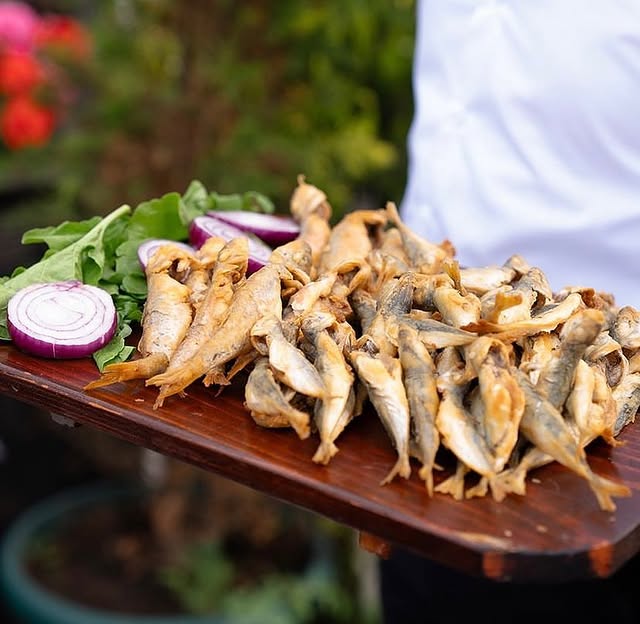
Balık köftesi is a fish patty or small meatball, made by mincing fish with onion, parsley, egg and a binding agent such as stale bread soaked in water or milk, sometimes mashed potato. The mixture is seasoned, rested, shaped and fried. Some kitchens use a single fish; others blend a softer white fish with something oilier for flavour. In the Black Sea provinces you will meet a hamsi version, and in winter it is one of the most comforting things on a Turkish table.
Because it is minced, köfte hides nothing — but it also forgives a lot. The difference between ordinary and good is usually temperature and restraint: served immediately, not greasy, seasoned with a light hand, with enough fish flavour left after the bread and onion have done their work.
Lakerda: the cold meze with a season
Lakerda is cured fish, traditionally made from torik — the large Atlantic bonito caught during the autumn run. The fish is filleted, salted, pressed and left to cure, then sliced thinly and served cold, usually with red onion, sometimes a thread of olive oil and a little vinegar. It is dense, savoury and pleasantly saline, closer in texture to a good cured meat than to a cooked fish dish.
That curing instinct is old Mediterranean practice: an autumn catch, preserved so the taste of the sea could be carried into the colder months. Which is why lakerda feels most at home when the weather turns.
Where These Dishes Traditionally Sit on the Table
A classic Turkish fish meal has an arc, and these two occupy different points on it.
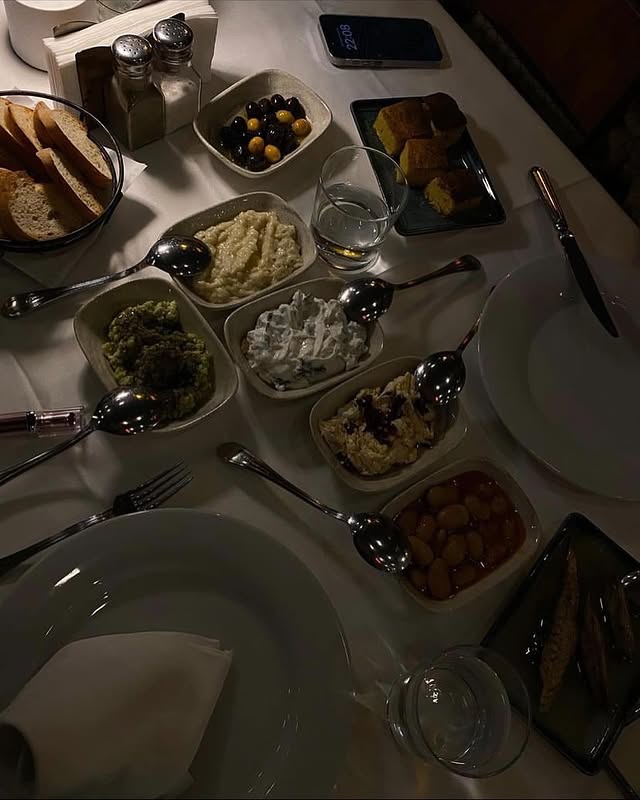
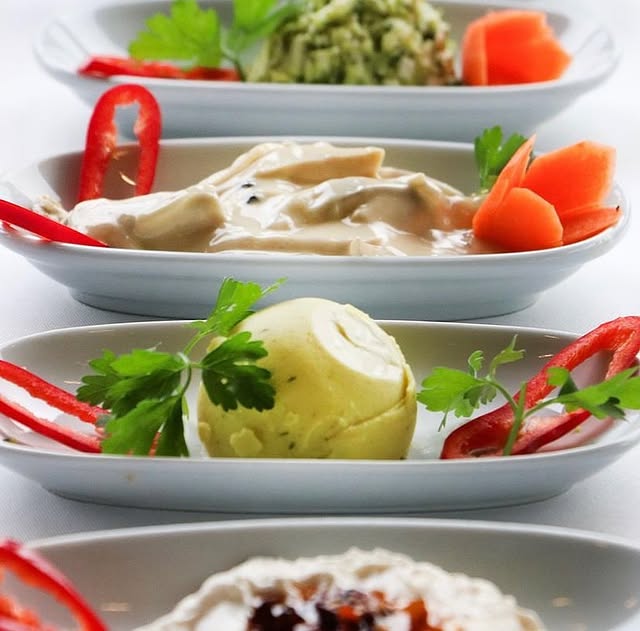
- Cold meze, early: lakerda belongs to the opening round, alongside things like sea beans, artichoke hearts or a bowl of white cheese, eaten slowly with bread.
- Hot starters, next: fish köfte appears after the cold counter has been cleared, often with fried calamari or similar. It is the bridge between picking and main-course eating.
- Main course: a whole grilled or baked fish, weighed and priced at the table in many restaurants.
- The long tail: fruit, coffee, perhaps a small sweet — the part of the evening no one is in a hurry to finish.
You will find both in meyhane-style restaurants, in tavernas along the coast, and in neighbourhood fish lokantası where the meze tray is brought to the table so you can point. The format matters less than the culture: a kitchen that prepares meze daily and fries to order.
What to Look For If You're Comparing Restaurants
There is no single "best" address for these dishes, because the answer depends on what you value. These signals are more useful than any list:
- Turnover. A meze counter that empties and refills is a good sign. Lakerda that has sat for days dulls and tastes only of salt.
- How the lakerda is cut. Thin, even slices, firm rather than mushy, with a clean saline finish. Ask whether it is house-cured or bought in — both exist, and staff who know the answer usually know the rest of the menu too.
- The fryer. Köfte should arrive hot, dry to the touch, not heavy with oil. If it lands lukewarm, the kitchen is sending out too much at once.
- Balance. More fish than filler. Onion and bread should support, not dominate.
- Seasonal honesty. Staff who tell you what is good that week, and what is not, are worth listening to.
- Setting and pace. Waterfront tables, a view, a room where conversation is possible — these are part of the meal, not decoration.
- Practicality. Can you book? Is it reachable by public transport? Does the service pace suit a two-hour dinner or a quick lunch?
The Seasonal Logic You Should Know
Lakerda is tied to the bonito season, which in the Bosphorus and Marmara generally means autumn. Once cured, it can be served through winter. If you order it in high summer and it tastes flat, that is worth noting — but it is also fair to simply ask when it was made.
Fish köfte is far less seasonal, because it works with whatever is plentiful: hamsi in the cold months, white fish such as mezgit or levrek when the water warms. This is exactly why the two dishes make a useful pair for a visitor. One tells you if the kitchen respects the calendar; the other tells you if it respects the pan.
Arnavutköy, Beşiktaş and the Bosphorus Setting
Istanbul is full of places to eat fish, but the experience shifts by shore. The Beşiktaş coastline, and Arnavutköy in particular, has a particular character: a small cove, a row of restaurants close to the water, wooden houses on the hillside behind, and the current of the Bosphorus running past the tables. It is a neighbourhood for walking to dinner rather than driving to it.
For anyone staying centrally, this stretch is easy to reach from Beşiktaş and Ortaköy, and it works equally well for a slow weekend lunch or a longer evening when the lights come on across the water. If your search is specifically for a Bosphorus fish restaurant rather than a generic seafood place, the location itself is part of the answer.
Why Zıpkın Arnavutköy Balık Restoranı Fits This Search
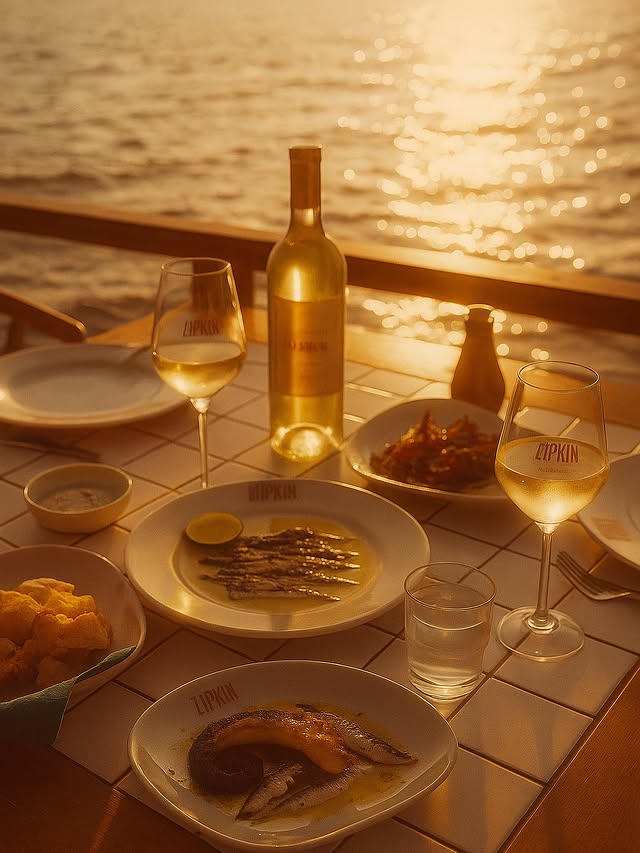
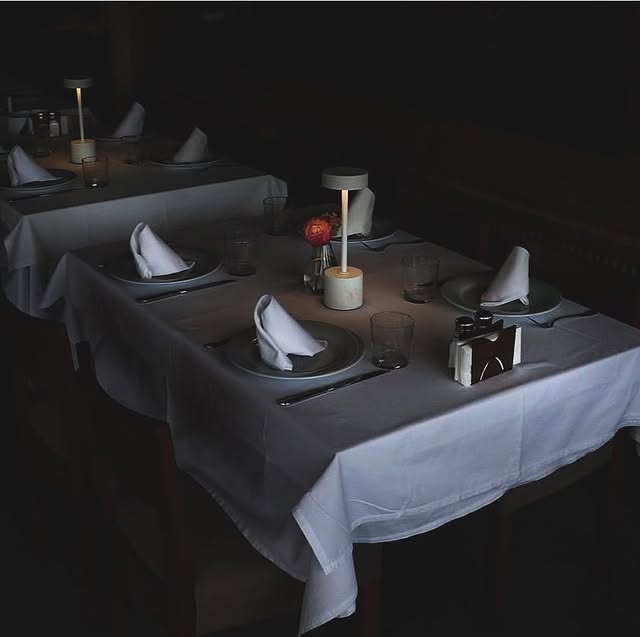
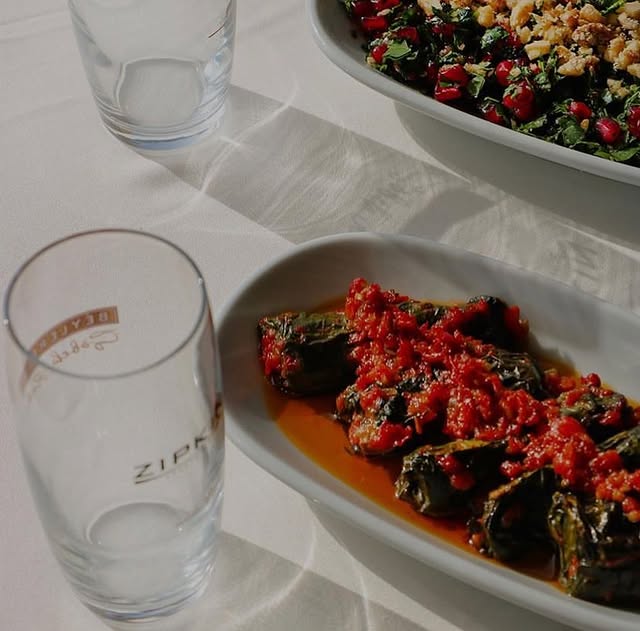
Zıpkın Arnavutköy Balık Restoranı sits in Arnavutköy, Beşiktaş, on the Bosphorus, and it is the kind of fish restaurant where a meal is built from meze and hot starters before the main fish arrives. For a craving that starts with a cold slice of lakerda and a plate of freshly fried fish köfte, that structure is exactly what you want.
Rather than promising a fixed list, the honest advice is to ask at the table: what came in today, which meze is at its best, whether the lakerda is house-cured. A fish restaurant worth returning to will answer those questions directly.
Practical Notes Before You Go
- Timing: lunch is calmer and better for a quick köfte-and-meze stop; dinner stretches longer and suits groups sharing many plates.
- Ordering: start with two or three cold meze, add one hot starter each, then decide on the main fish once you have seen what is available.
- Drinks: rakı is the classic partner for lakerda; ayran and sharp lemonade work just as well for a lighter meal.
- Group size: these plates are made for sharing. Four to six people can cover far more of the meze counter than two.
- Reservation: for weekend evenings and window tables, booking ahead is sensible. WhatsApp is the simplest route.
In Arnavutkoy, it carries Istanbul's coastal spirit with fresh seafood and warm service against the Bosphorus view.
---
🐟 Zıpkın Arnavutköy Fish Restaurant | 📍 Arnavutköy, Beşiktaş, Istanbul | 🌐 zipkinbaliklokantasi.com | 📞 Reserve via WhatsApp
FAQ
What is lakerda actually made from?
Traditionally from torik, the large Atlantic bonito. The fillets are salted, pressed and cured, then sliced thinly and served cold with red onion. It is a preserved fish, not a cooked one, which is why the texture is firm and the flavour concentrated.
Is balık köfte always fried?
Most commonly, yes — shaped into small patties or fingers and fried or shallow-fried. Recipes vary by region and by kitchen, and the fish used changes with the season. What stays constant is that it should be served hot and immediately.
Can I order both in the same meal?
Yes, and it is a natural pairing. Lakerda comes early with the cold meze, and fish köfte follows with the hot starters. Ordering both gives you a good read on how the kitchen works.
When is the best time of year for lakerda in Istanbul?
The bonito run is an autumn affair, so cured lakerda is most associated with late autumn and winter. Outside those months, ask what is available rather than assuming.
Do I need a reservation?
For weekday lunches, usually not. For weekend dinners, larger groups or a table near the water, it is worth arranging in advance — a quick WhatsApp message is enough.
Where should I look if I want a fish meal with a view?
The Bosphorus villages of Beşiktaş — Arnavutköy among them — put you close to the water with a short walk to the table. That combination of setting and seafood is what most visitors are actually searching for.
09.11.2026
Zıpkın Arnavutköy Blog
In Arnavutkoy, it carries Istanbul's coastal spirit with fresh seafood and warm service against the Bosphorus view.