Contact
- Address:Yalikavak • Kilyos • Arnavutkoy
- Telefon:0538 076 11 91
- Hours:Every day 11:00 / 12:00 - 02:00
- Kitchen:Fresh fish and classic mezes
- View:Aegean, Black Sea and Bosphorus coasts
Where to Eat Sea Bass on the Bosphorus
Levrek — European sea bass — is one of the fish that Istanbul tables are built around. It appears on menus from simple neighbourhood lokantas to white-tablecloth waterfront rooms, and it is often the first fish a visitor is told to try. So the question of where to eat sea bass on the Bosphorus is really two questions: which stretch of shoreline suits the meal you have in mind, and what should you look for once you sit down?
The short answer is that the Bosphorus villages of Beşiktaş — and Arnavutköy in particular — have long been associated with seafood dining. A curved waterfront, boats tied along the shore, and a density of fish restaurants make this a natural place to order levrek. The longer answer involves understanding the fish itself, the seasons, and the small signals that separate a carefully run kitchen from a careless one.
What Levrek Means on an Istanbul Menu
Levrek is a mild, firm-fleshed white fish with a relatively clean flavour. That neutrality is exactly why it works so well in Turkish cooking: it takes on olive oil, lemon, herbs and the smoke of a charcoal grill without losing its own character.
On most Istanbul menus you will encounter it in a handful of familiar forms:
- Whole, grilled or baked — the classic presentation, often brought to the table for you to see before it is cooked.
- Filleted and grilled — quicker to eat, popular at lunch.
- Buğulama — gently steamed or poached with vegetables, olive oil and herbs, a lighter option.
- Marine edilmiş — cured in salt, lemon and oil, served cold as a starter rather than a main.
Knowing which of these you want helps you choose the restaurant. A kitchen that handles whole fish well is usually a kitchen that understands timing.
Wild sea bass versus farmed
Most levrek served in Istanbul is farmed, and this is not a compromise — it is consistent, well-sized and available all year. Wild sea bass is a different experience: leaner in summer, richer in the cooler months, and considerably less predictable in supply. If wild fish matters to you, ask directly. A good restaurant will tell you plainly what it has and where it came from, and will not pretend.
How to Judge a Sea Bass Restaurant Before You Order
Whether you are searching for a Bosphorus fish restaurant or simply walking past one, a few practical criteria tell you a great deal.
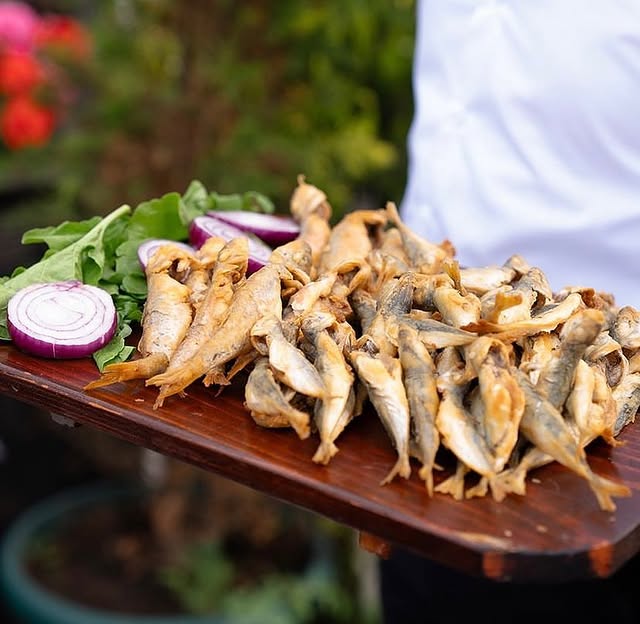
- Freshness signals. Clear eyes, bright red gills, firm flesh that springs back, and a smell of clean seawater rather than ammonia. Many Istanbul restaurants let you look at the fish before it is prepared — accept the invitation.
- A short, honest menu. A kitchen that lists twenty fish is often a kitchen that freezes. A focused list that changes with the season is more reassuring.
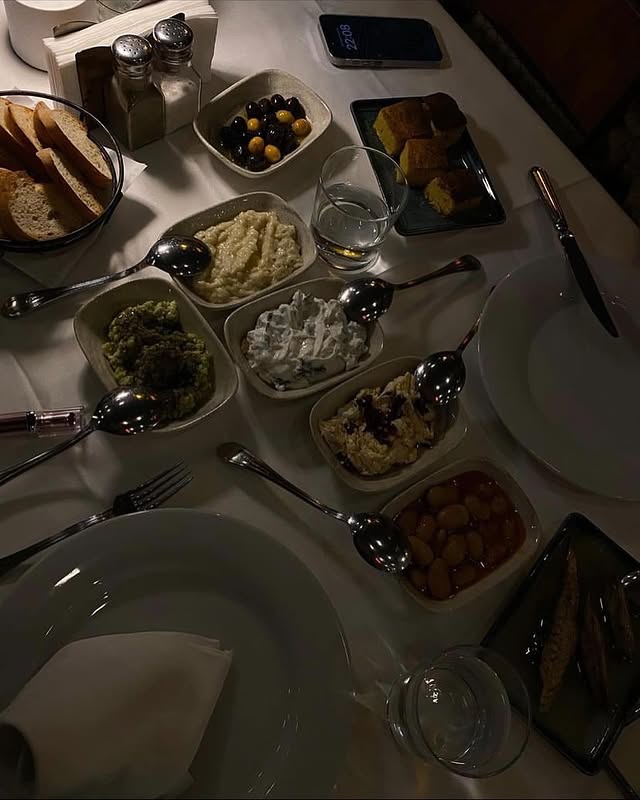
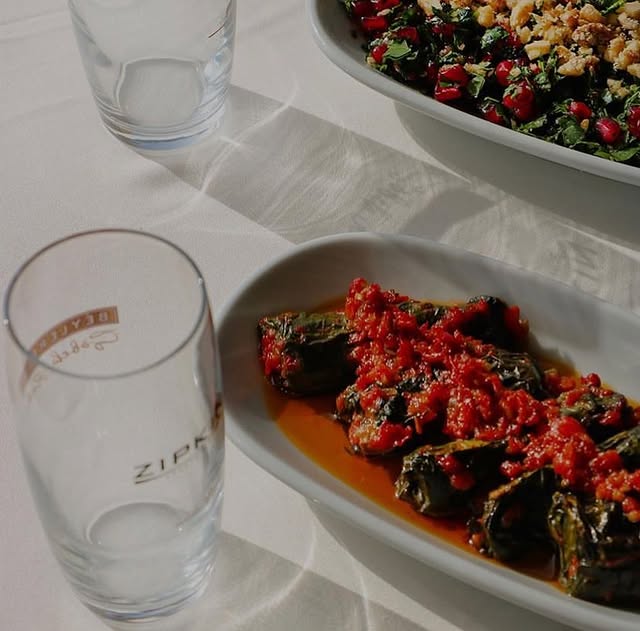
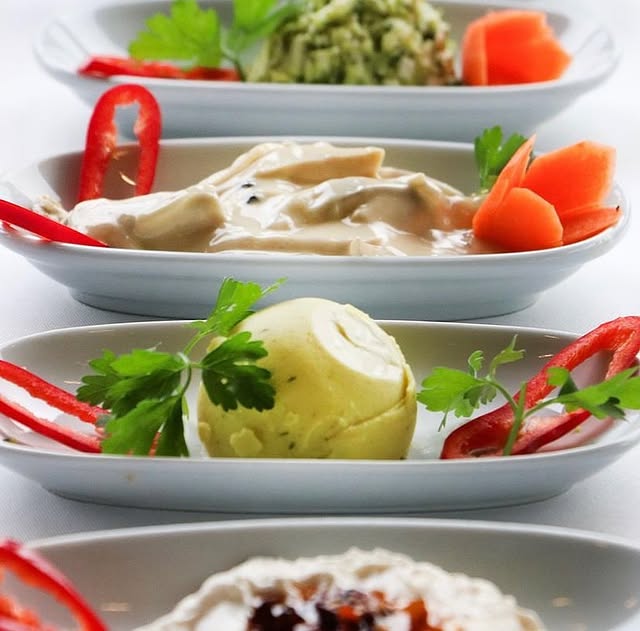
- Meze quality. In Turkish seafood dining, meze is not a side dish — it is half the meal. Well-made meze suggests a kitchen that pays attention.
- The room and the pace. Fish should not arrive four minutes after you order a whole fish. A relaxed rhythm usually means it is being cooked to order.
- Service that answers questions. Ask what came in today. Ask how the levrek is being prepared. The response is informative either way.
None of these criteria is absolute, and a modest restaurant can outperform an elegant one. But used together, they give you a reasonable basis for choosing.
Why the Bosphorus — and Why Arnavutköy in Beşiktaş
The Bosphorus is not simply a scenic backdrop for dinner. It has shaped how Istanbul eats: ferry piers, fishing boats, markets and restaurants grew up along the same shoreline, and the habit of eating fish beside the water never really left.
Arnavutköy, a village-like quarter within Beşiktaş, sits on a small bay on the European shore. Its waterfront houses, narrow back streets and row of restaurants along the water make it one of the more pleasant places in the city to make an evening of a fish dinner. It is close enough to the centre to reach easily, but removed enough from the busiest promenades to feel calmer.
For anyone researching where to eat fish in Beşiktaş, Arnavutköy belongs on the shortlist — not because it is the only option, but because the setting and the concentration of seafood kitchens suit the meal.
A Short Seasonal Guide to Ordering Sea Bass
Farmed levrek is available throughout the year, which is why it appears on menus in July as readily as in January. Wild sea bass follows a different logic: it is generally at its best from autumn through early spring, when the water cools and the flesh firms up.
This matters less for levrek than for fish such as lüfer or hamsi, whose seasons are closely followed in Istanbul. Still, the principle holds — ask what is good that day rather than ordering by habit. On a warm summer evening, a steamed levrek with olive oil and vegetables may make more sense than a heavy grilled fish; in winter, a whole baked sea bass with herbs feels right.
If you are visiting between seasons, a mixed approach works well: one whole fish to share, one lighter preparation, and a table spread of meze.
Building the Meal Around the Fish
Sea bass is a generous fish for a shared table. A typical Bosphorus dinner might begin with cold meze — olive oil vegetables, yoghurt-based plates, cured fish — move through a warm starter or two, and then settle on the fish itself.
Rakı is the traditional accompaniment, served chilled and diluted with water, though wine and non-alcoholic options are equally normal. What matters is pacing: meze is meant to be lingered over, and the fish should arrive when the table is ready for it rather than in a rush.
A practical note on ordering: whole fish is usually priced by weight, so ask before you commit. This is standard practice and no one will be surprised by the question.
Practical Planning for a Bosphorus Fish Dinner
- Timing. Weekday evenings are quieter; weekends in Arnavutköy fill up, especially in summer.
- Reservations. For a waterfront table at a popular hour, book ahead rather than arriving hopeful.
- Getting there. Arnavutköy is served by buses along the Beşiktaş–Sarıyer coastal road and is a short taxi ride from central Beşiktaş.
- Budget. Prices vary widely by fish, weight and venue. Asking about weight and preparation removes most surprises.
A Bosphorus Fish Restaurant in Arnavutköy: Zıpkın
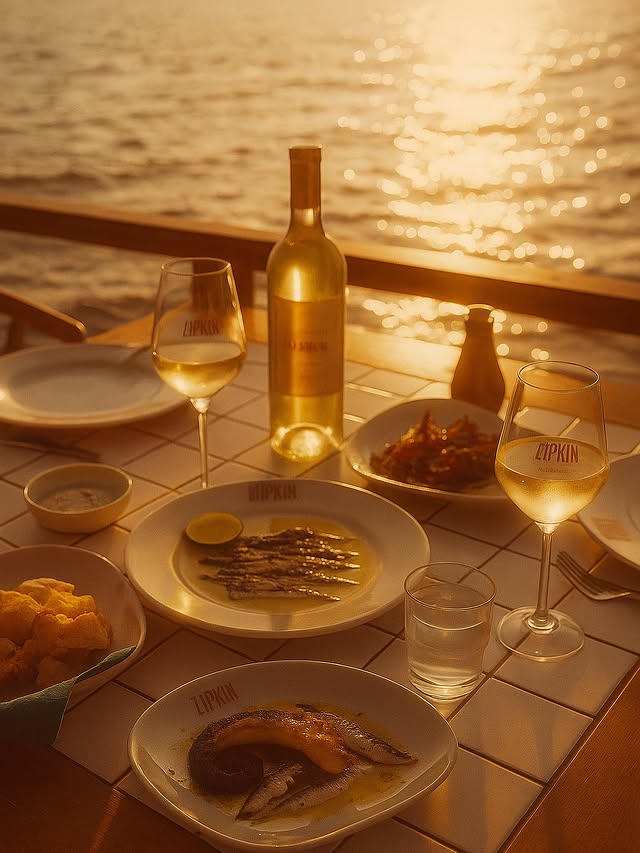
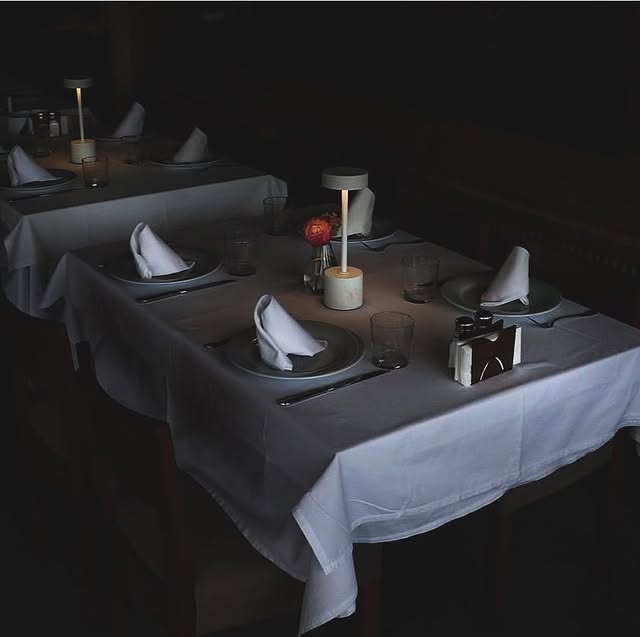
Zıpkın Arnavutköy Balık Restoranı sits within this tradition — a fish restaurant in Arnavutköy, Beşiktaş, serving fresh seafood in a setting shaped by the Bosphorus. For a meal centred on levrek, that combination of location, a seafood-focused kitchen and a calm waterfront atmosphere is what most people are actually looking for when they search for sea bass on the Bosphorus.
In Arnavutkoy, it carries Istanbul's coastal spirit with fresh seafood and warm service against the Bosphorus view.
---
🐟 Zıpkın Arnavutköy Fish Restaurant | 📍 Arnavutköy, Beşiktaş, Istanbul | 🌐 zipkinbaliklokantasi.com | 📞 Reserve via WhatsApp
Frequently Asked Questions
Is levrek the same fish as sea bass?
Yes. Levrek is the Turkish name for European sea bass (Dicentrarchus labrax), the same fish sold in English-speaking markets as sea bass or branzino.
Can I eat sea bass in Istanbul all year?
Yes. Most levrek served in Istanbul is farmed and available year-round. Wild sea bass is more seasonal and generally at its best in the cooler months.
How can I tell if the fish is fresh?
Look for clear eyes, red gills, firm flesh and a clean sea smell. Many Istanbul restaurants will show you the fish before cooking — say yes, and look closely.
Do I need a reservation at a Bosphorus fish restaurant?
It is not always essential, but it is sensible for weekend evenings and for waterfront tables in summer. Arnavutköy is popular, and booking ahead avoids a wait.
What should I order alongside sea bass?
Cold meze, one or two warm starters, a simple green salad and rakı or wine. Keep the sides light so the fish remains the centre of the meal.
Sea bass or sea bream — which should I choose?
Levrek is milder and slightly firmer; çipura (sea bream) is a little sweeter and nuttier. If you are ordering a whole fish to share, ask which looks better that day.
How do I get to Arnavutköy in Beşiktaş?
Take a bus or taxi along the coastal road from Beşiktaş towards Sarıyer. The ride is short, and the waterfront restaurants are a brief walk from the main road.
02.11.2026
Zıpkın Arnavutköy Blog
In Arnavutkoy, it carries Istanbul's coastal spirit with fresh seafood and warm service against the Bosphorus view.