
Contact
- Address:Yalikavak • Kilyos • Arnavutkoy
- Telefon:0538 076 11 91
- Hours:Every day 11:00 / 12:00 - 02:00
- Kitchen:Fresh fish and classic mezes
- View:Aegean, Black Sea and Bosphorus coasts
Where to Eat Mezgit and Hamsi on the Bosphorus
Two small fish tell you a great deal about a city. Hamsi arrives with the cold, silver and plentiful, and for a few months it dominates Istanbul tables. Mezgit is quieter, softer and more forgiving, the fish people order when they want something delicate rather than dramatic. Anyone searching for Boğaz'da mezgit ve hamsi yiyebileceğiniz yerler is usually looking for the same thing: a table near the water, a kitchen that respects the season, and a plate of fish that has not travelled further than it should.
The Bosphorus is the natural setting for that search. From Beşiktaş northward toward Arnavutköy, the shoreline is lined with places that treat fish as a daily ingredient rather than a special-occasion event. Knowing how to read those places — what to check, what to order, and when each fish is worth ordering — will serve you better than any single recommendation.
Why Hamsi and Mezgit Suit a Bosphorus Table
Both fish are modest in size and modest in price compared to the large catches that dominate restaurant menus. That modesty is exactly what makes them useful for judging a kitchen.
Hamsi: a fish with a calendar
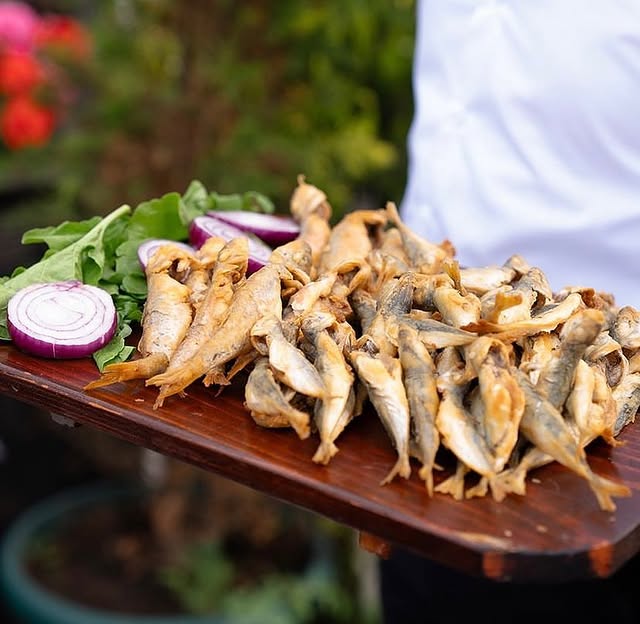
Anchovy has a season, and everyone along the coast knows roughly when it begins and ends. It is at its best in the cold months, from late autumn into early spring, when the flesh is firm and the flavour is rich enough to stand up to corn flour and hot oil. Order hamsi in July and you are usually eating something frozen, thin-tasting and a shadow of the winter version. Order it in January and you understand why the fish has its own songs.
Mezgit: the delicate alternative
Whiting is milder, whiter and softer, with a structure that falls apart easily under a fork. It rewards restraint: a light coating, a hot pan, a squeeze of lemon, nothing more. Because it is less assertive than anchovy, it is often the better choice for diners who find oily fish too strong, or for a table that wants a mixed spread with several different textures.
How to Judge a Fish Restaurant Before You Sit Down
If you are choosing between places along the strait, these criteria do more work than any list of names.
- Freshness signals. Clear eyes, firm flesh, red gills, and a kitchen that is willing to tell you what came in today. A good fish restaurant is not embarrassed by the question.
- Seasonal honesty. A menu that offers everything in every month is usually a menu built on freezers. If hamsi disappears in summer and appears again in November, that is a good sign.
- Restraint in cooking. Fresh mezgit and hamsi need very little. Heavy sauces and long ingredient lists often hide older fish.
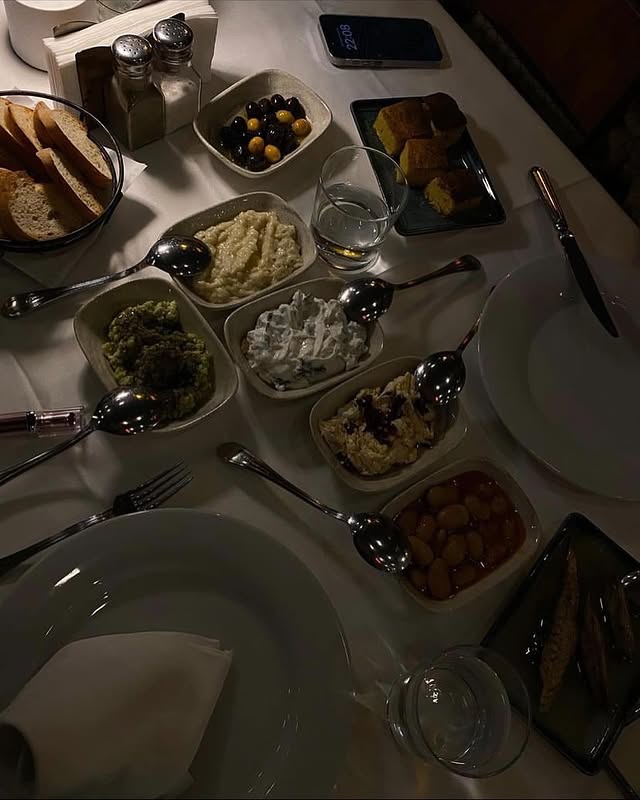
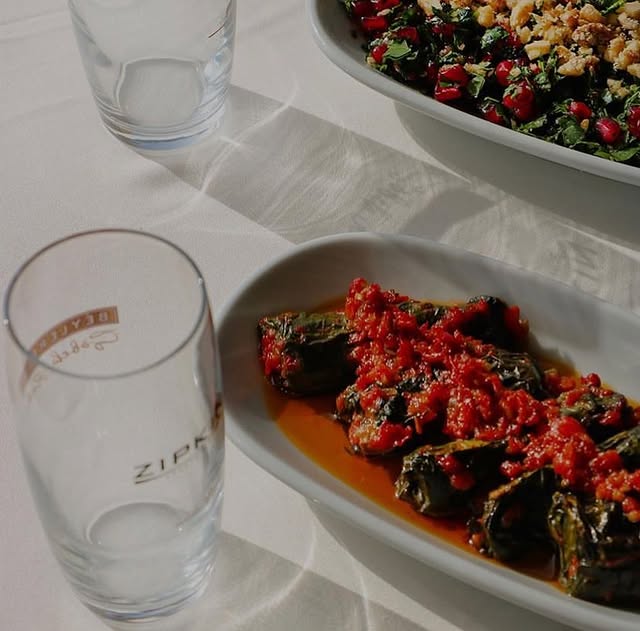
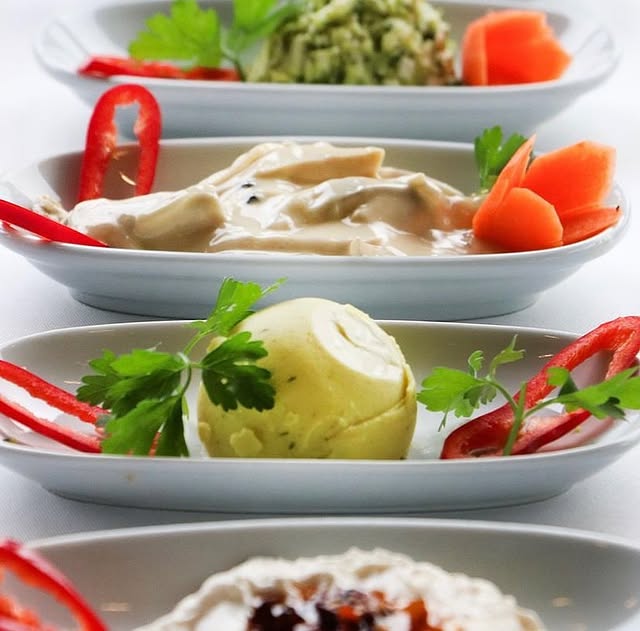
- The meze counter. Meze is the first impression of any Turkish seafood meal. Look for small, freshly made plates rather than a long display that no one could finish in a day.
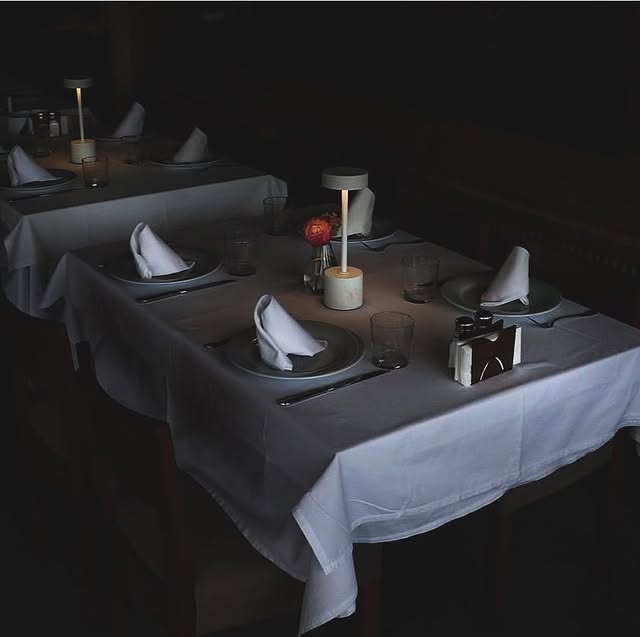
- Atmosphere matched to purpose. A quick plate of fried hamsi and a long, slow dinner with meze and rakı call for different rooms. Decide which you want first.
- Service pace. Fish is cooked to order. A kitchen that sends it out in ninety seconds is not cooking it fresh.
Where Zıpkın Arnavutköy Balık Restoranı Fits
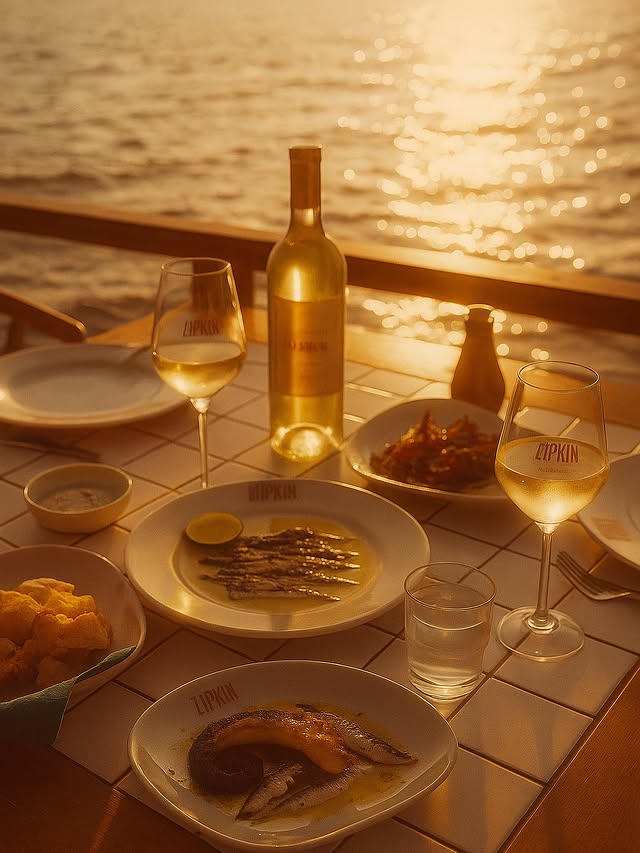
Zıpkın Arnavutköy Balık Restoranı sits in Arnavutköy, along the Beşiktaş shoreline of Istanbul, in the part of the city where the Bosphorus narrows and the current becomes visible from the shore. That position matters for anyone searching for a place to eat mezgit and hamsi: the neighbourhood is a fish neighbourhood by tradition, and the view does half of the work before the food arrives.
For visitors evaluating options, the restaurant belongs in the category of local seafood houses rather than large tour-group venues — the kind of place where the meal is built around what is fresh, supported by meze, and served at a pace that allows a long evening. It is a natural fit if your priorities are a Bosphorus setting, a table that makes room for shared plates, and a straightforward approach to fish rather than a contrived one.
What it does not claim to be is a shortcut. There is no substitute for asking which fish is good that day, and any honest fish restaurant in Istanbul will expect you to.
A Short Seasonal Guide
Late autumn to early spring
This is hamsi time. Fried anchovy, anchovy with pilaf, anchovy in a shallow oven dish — the repertoire widens as the season deepens. Mezgit is also at its most reliable in the colder months, when the water is cold and the flesh is firmer.
Spring and early summer
As waters warm, anchovy loses fat and flavour. This is when a menu should shift toward other species entirely: sea bass, sea bream, red mullet, and whatever the day's catch offers. If a restaurant still pushes hamsi in June, ask where it came from.
Late summer
The transition period. Mezgit remains a safe, mild choice while the kitchen waits for the autumn run to begin.
How These Fish Usually Reach the Table
Fried
Hamsi is most often dusted in corn flour and fried briefly in hot oil, served whole and eaten in two bites. It is the simplest preparation in Turkish seafood cooking and the easiest to get wrong — underheated oil produces soggy fish, overcooking dries it out.
Grilled
Mezgit is typically grilled whole or as fillets with a light brush of oil. It needs to be watched closely, because the flesh separates quickly. Served with lemon, a little olive oil and perhaps a pinch of salt, it demonstrates whether the kitchen trusts its ingredients.
In pilaf and shallow stews
Hamsi layered with rice, or cooked in a shallow pan with onion, tomato and herbs, is home-style cooking that appears on many coastal menus. Mezgit occasionally turns up in soups and lighter stews, where its mildness works in its favour.
Arnavutköy, Beşiktaş and the Coastal Context
The Bosphorus does not behave like open sea. Currents run in layers, the water changes colour as the strait narrows, and fishing has shaped the neighbourhoods along it for generations. Arnavutköy's stretch of waterfront, with its wooden houses and small harbour, is one of the few places in central Istanbul where a fish dinner still feels tied to the water rather than to traffic.
For anyone searching from Beşiktaş or central Istanbul, the area is close enough for a weeknight meal and distinct enough to feel like an outing. Coming from further afield — Kadıköy, Şişli, the airport side — it is worth planning an evening around the meal rather than squeezing it between appointments.
Practical Notes Before You Book
Fish restaurants in Istanbul fill quickly on weekend evenings, and the good ones fill on weekdays too. A short message ahead of time is usually enough to secure a table and, often, to ask which fish is expected that day. If you plan to order meze broadly, arrive hungry and early; if the fish is the point, say so when you order and let the kitchen guide the sequence.
Seasonal eating also means accepting that a specific fish may not be available. That is not a failure of the restaurant — it is the whole reason the meal is worth having.
In Arnavutkoy, it carries Istanbul's coastal spirit with fresh seafood and warm service against the Bosphorus view.
---
🐟 Zıpkın Arnavutköy Fish Restaurant | 📍 Arnavutköy, Beşiktaş, Istanbul | 🌐 zipkinbaliklokantasi.com | 📞 Reserve via WhatsApp
FAQ
When is hamsi in season in Istanbul?
Roughly from late autumn through early spring. Outside those months, anchovy is either frozen or imported, and the flavour is noticeably weaker. If hamsi is on the menu in midsummer, it is reasonable to ask about its origin.
Is mezgit a good choice for people who do not like strong fish?
Yes. Whiting has a mild, slightly sweet flavour and soft white flesh, making it one of the gentlest options on a Turkish seafood menu. It is usually grilled or lightly pan-fried, so the fish itself stays the focus.
Do I need a reservation for a Bosphorus fish dinner?
For weekend evenings and larger groups, yes. A short WhatsApp message in advance is the most practical route, and it also gives you the chance to ask what is fresh that day.
What should I order alongside hamsi or mezgit?
Meze is the natural support: vegetable plates, olive oil dishes, and something acidic to balance the fried or grilled fish. Rakı is the traditional accompaniment, though many guests prefer wine or ayran depending on the dish.
How can I tell if the fish is fresh?
Look for clear, bright eyes, firm flesh that springs back when pressed, and red gills. Ask what arrived that morning. A kitchen that answers directly and specifically is usually a kitchen worth trusting.
Where in Istanbul should I go for mezgit and hamsi?
The Bosphorus shoreline is the classic setting, and the Arnavutköy–Beşiktaş stretch is one of the most accessible parts of it. Beyond location, choose by freshness, seasonal honesty and the kind of evening you want — a quick fried-fish plate or a long meze table.
16.11.2026
Zıpkın Arnavutköy Blog
In Arnavutkoy, it carries Istanbul's coastal spirit with fresh seafood and warm service against the Bosphorus view.